Daphne odora variegata
You will fall in love with their strong fragrance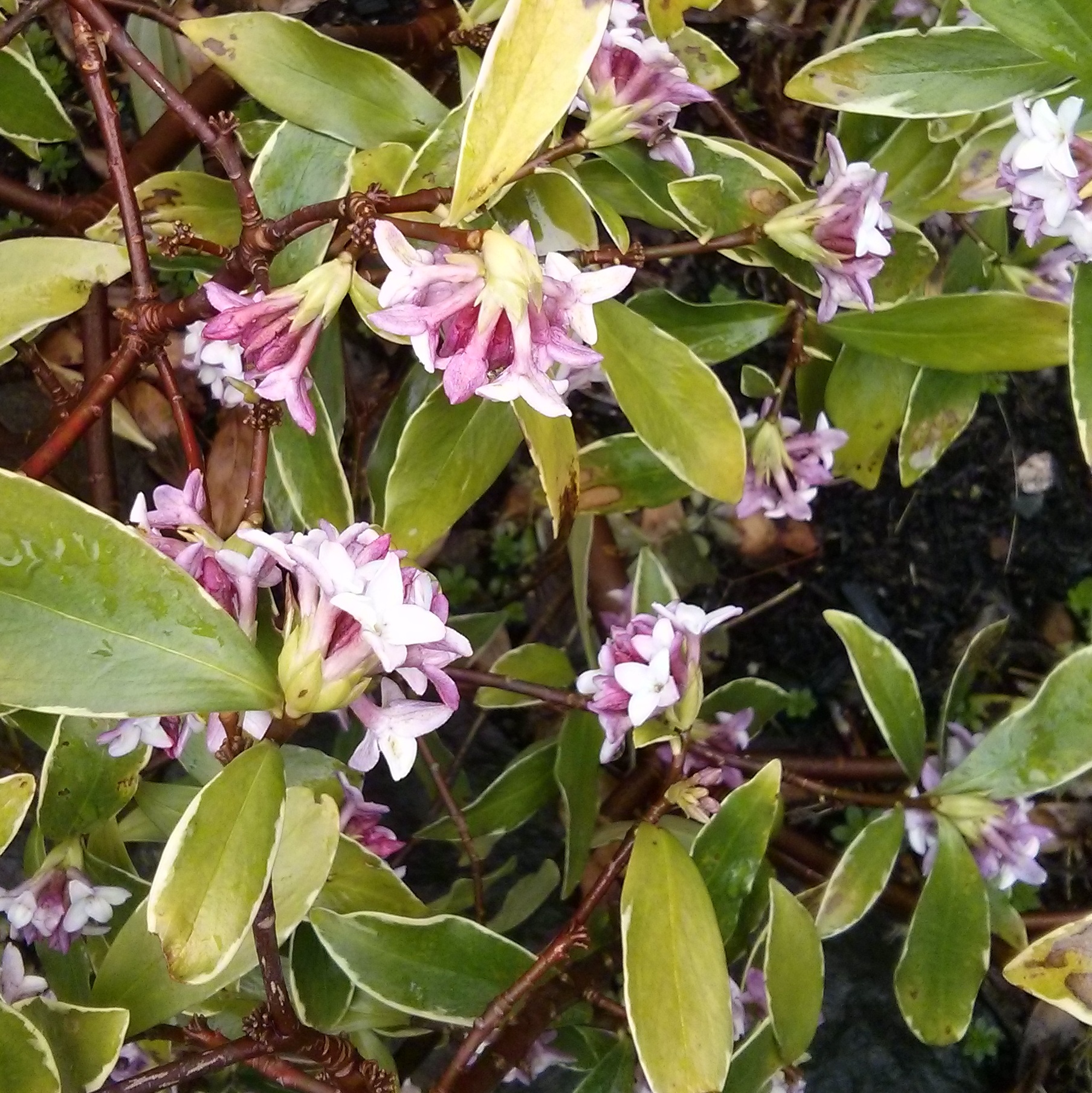 …
…
Daphne odora variegata
You will fall in love with their strong fragrance…

Camellias everywhere!
EUROPEAN CHAFER BEETLE VANCOUVER
The European chafer, Rhizotrogus majalis, is an introduced insect that has become a serious pest of turf in Eastern North America. It was first discovered in New Westminster in late 2001 and has since spread beyond New Westminster’s boundaries.
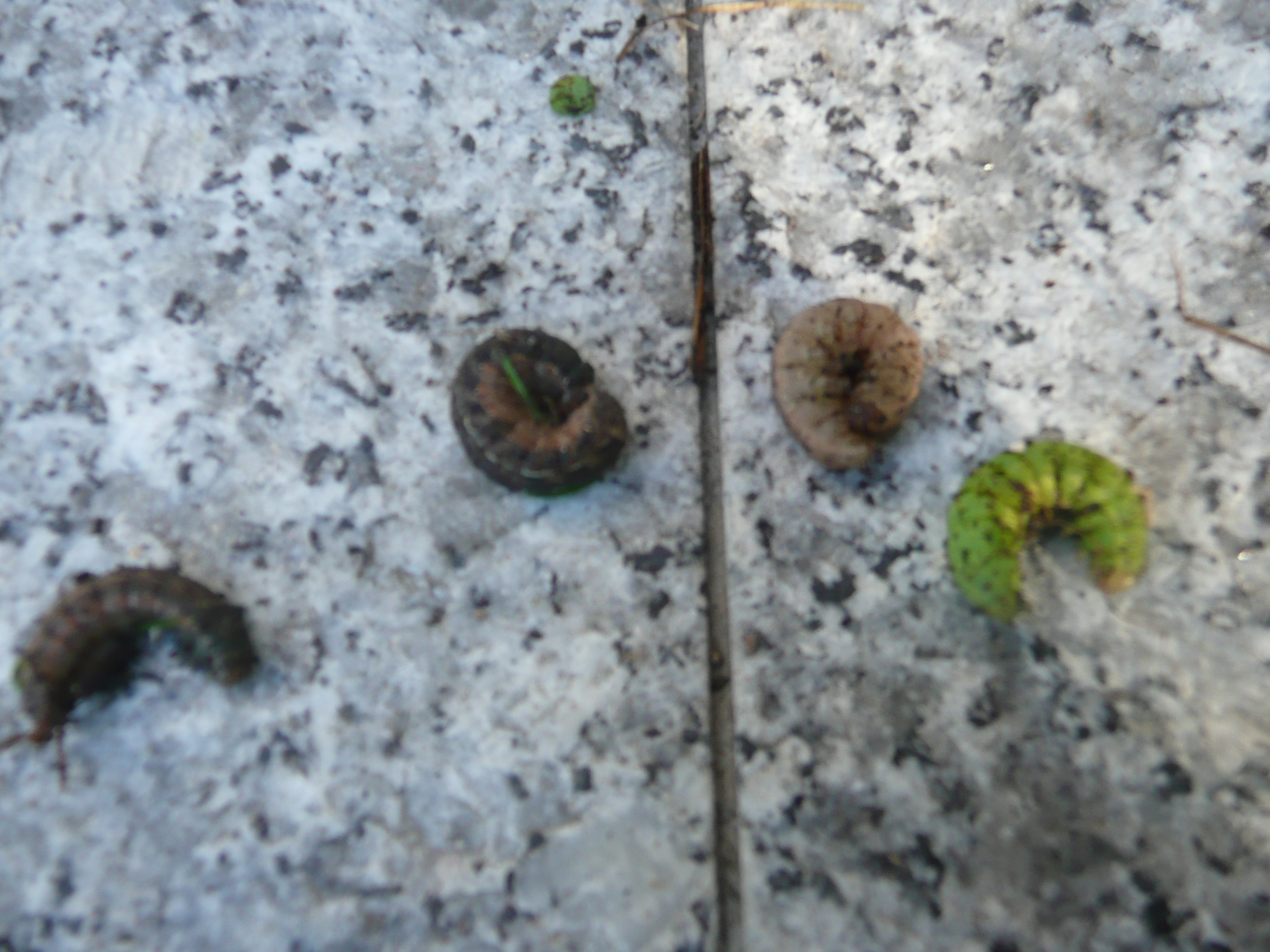
Adult European chafers are tan or brown beetles resembling June beetles but measure only about 1.5cm in length. The grubs, measuring 2 to 2.5cm, are soft, white and C-shaped with tan-coloured heads and six prominent legs.
Chafers complete their life cycle in one year which can lead to rapid population increases. In British Columbia, the adult beetles emerge from the soil in early to late June and mate in swarms at dusk. In June and July, females lay up to 20 to 30 eggs in the soil. The eggs hatch in about 2 weeks and the small grubs begin to feed on the roots of turf. Damage is seen in the fall to early spring when the grubs are full-grown. Feeding continues throughout the winter except during prolonged periods of freezing temperatures. The grubs feed until the pupate in May.
WHAT DO DO? MONTH BY MONTH
JANUARY-MARCH
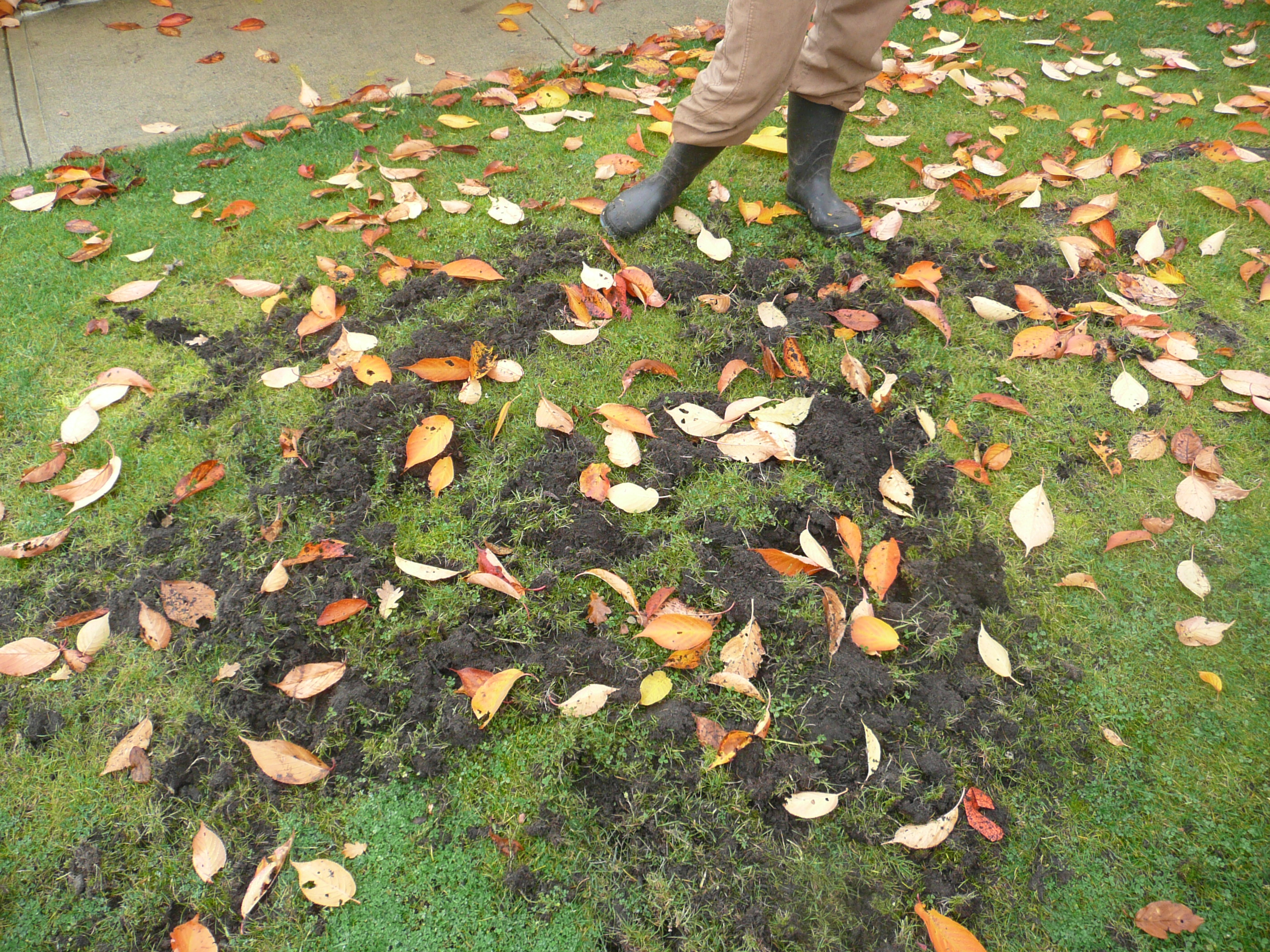
Large grubs found in soil feeding on turf roots. Raccoons, skunks and birds may be seen tearing the turf apart and turning it over to find the grubs in the soil.
NO CONTROL OF CHAFER AT THIS TIME
Assess damage from chafer larvae and chafer predators to lawn:
• Turn over 1 square foot sections of lawn (5 sections per lawn).
• Dig through soil beneath grass, counting number of chafer larvae found.
• If more than 5-10 chafer found per square foot section, chafer control may be necessary. Consider nematode application in July
APRIL-JUNE
Grubs enter a resting stage (pupa) in May prior to emerging as adults in June. Adults may be seen flying in swarms at dusk in June.
Repairing Damaged Lawns
• Lightly rake over damaged turf areas.
• Apply a light (¼ to ½ inch depth) topdressing of compost sand mix or lawn topdressing soil mix.
• Reseed damaged lawn areas.
• Roll the newly seeded area lightly with a roller for good seed/soil contact.
• Apply a starter fertilizer.
Maintaining Established Lawns
• Aerate compacted soil
• Apply an organic based lawn fertilizer
• Mow once per week, maintaining the grass at a height of 5-6cm. Leave the grass clippings on the lawn if possible.
Water newly planted lawns frequently (daily if necessary) to keep the soil surface moist until 50% of the seeds have germinated. Water lawns twice weekly, giving the lawn about 2.5 centimetres of water a week. Lawns should be watered on and off at 30 minute intervals to avoid run-off and allow the water to soak in. Follow local watering restrictions.
JULY
Eggs laid in the soil hatch in July and small grubs begin feeding on turf roots.
Mow once per week, maintaining the grass at a height of 5-6cm. Leave the grass clippings on the lawn if possible.
Water lawns twice weekly, giving the lawn about 2.5 centimetres of water a week. Lawns should be watered on and off at 30 minute intervals to avoid run-off and allow the water to soak in. Follow local watering restrictions.
TIME TO CONTROL CHAFER
Apply nematodes, during the third week of July. Water the lawn for 3 hours prior to nematode application and for 3 hours following nematode application. Nematodes should be applied in the evening or on a cloudy day.
AUGUST-SEPTEMBER
Small grubs found in soil feeding on turf roots. Wilted or dead patches in turf may be visible if grub feeding becomes excessive.
Mow once per week, maintaining the grass at a height of 5-6cm. Leave the grass clippings on the lawn if possible.
Water lawns twice weekly, giving the lawn about 2.5 centimetres of water a week. Lawns should be watered on and off at 30 minute intervals to avoid run-off and allow the water to soak in. Follow local watering restrictions.
OCTOBER-DECEMBER
Large grubs found in soil feeding on turf roots. Raccoons, skunks and birds may be seen tearing the turf apart and turning it over to find the grubs in the soil.
NO CONTROL OF CHAFER AT THIS TIME
Minimize skunk and crow damage by replacing and patting down clumps of grass immediately after they have been pulled up.
*Taken from City of Vancouver website lawn care
Top dress with an organic lawn food. Avoid fertilizers with soluble Nitrogen sources, because overfert
ilized lawns produce rapid leaf growth at the expense of roots. Not only does require you to mow more often, but it also
makes the lawn more susceptible to drought damage, because roots are shallow.
Compacted soil reduces the circulation of air, nutrients and water, and impedes the growth of deep root systems. Aerate lawns only if the soil has become compacted, which usually only happens in areas with heavy foot traffic.
Leave grass clippings “grasscycling” on the lawn after you mow instead of raking them. You save time and the nutrients in the clippings provide organic matter and from 15 to 40% of your lawn’s nitrogen needs. The clippings also provide a mulch that protects the grass roots, and reduces evaporation and the need for water.
Only dethatch is thatch is thicker than 1-2 cm (or about 1 inch). Thatch is a layer of undecomposed grass leaves, and other organic materials intermingled with a layer of dead and living roots and stems. A one to two cm deep layer of thatch is beneficial for the lawn, it mulches the soil, reduces water loss, provides organic matter and protect grass from compaction by foot traffic.
In a healthy lawn, earthworms and soil micro-organisms decompose thatch as fast as it accumulates. Thatch only becomes a problem if it builds up into a thick and compacted mat that prevents water and nutrients from reaching grass roots. It is a myth that thatch is caused by leaving grass clippings on the lawn.
Although you can try planting turf grasses more suited to shady areas, turf experts say that wherever moss is thriving, it is a sign that conditions are just not suitable for lawn grass to grow well. Moss loves rainy days, shade and never needs mowing!.
*Taken from: A resident’s guide to natural yard care for the Lower Mainland. GVRD.
We plan, grow, cultivate and harvest!
We learn together, we have fun together!
Drop in, work & share at the SPEC Demostration Garden on Cambie st (between 11th & 12th Ave, west side of the street)
Terra Nostra Gardens is volunteering with SPEC every Sunday from 10 am to 12.
Come & join us!
check out our blog: http://specgardens.blogspot.ca/
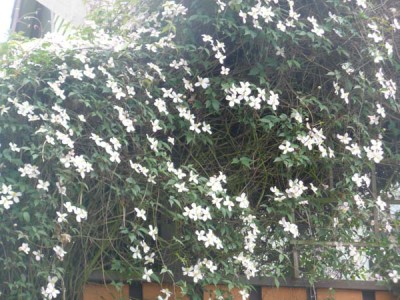
Let’s make compost tea!
Here is a good information about the compost tea
http://www1.agric.gov.ab.ca/$department/deptdocs.nsf/all/agdex10985
Do you want some?, I would be very happy teaching you how to make it, you will see all the benefits and the earth will be grateful to you.
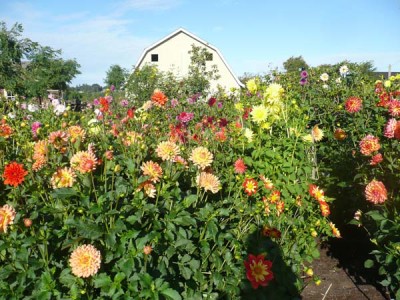
Do you know how to do backyard composting?, here is a useful information from the metro vancouver, please take a look…
http://www.metrovancouver.org/about/publications/Publications/HeresTheDirt.pdf
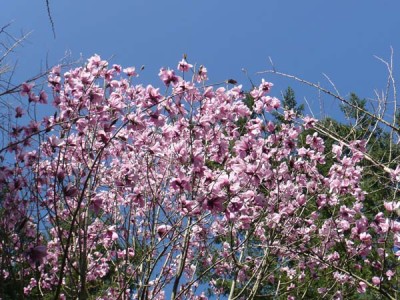
Spring it’s here, we just had the amazing blooming plums, but I cannot wait for the cherry bloosoms… they have started in some places, I will show you some pictures later on…
Enjoy the spring!!!